The Unseen Blueprint: How Stock Exchange Listings Shape the Financial Future
In the vast and often invisible landscape of global finance, stock exchange listings serve as the invisible blueprints that guide the financial future of companies, investors, and economies. While the act of going public may seem like a straightforward process—transforming private enterprises into publicly traded entities—its implications are far-reaching and multifaceted. A stock exchange listing is not merely a milestone; it is a transformative event that redefines corporate identity, capital formation, and market dynamics. This article explores the intricate ways in which stock exchange listings shape financial futures, from unlocking capital to influencing corporate behavior and fostering economic growth.
The Gateway to Capital: Fueling Growth and Expansion
At its core, a stock exchange listing is a financial lifeline for companies seeking to scale operations, innovate, and compete on a global stage. By transitioning from private to public ownership, businesses gain access to a vast pool of capital that would otherwise be inaccessible. This influx of funds serves as a catalyst for several key growth initiatives:
- Research and Development (R&D): Public companies often allocate a portion of their newly raised capital toward R&D, enabling them to pioneer new technologies, products, and services. This investment not only enhances competitiveness but also drives long-term innovation.
- Mergers and Acquisitions (M&A): With increased financial firepower, publicly listed companies can pursue strategic acquisitions to expand market share, diversify revenue streams, or eliminate competitors. These deals can reshape entire industries.
- Infrastructure and Expansion: Capital raised through listings allows companies to build new facilities, enter new markets, or upgrade existing infrastructure, positioning them for sustained growth.
For example, when Alibaba Group went public on the New York Stock Exchange (NYSE) in 2014, it raised over $25 billion, the largest initial public offering (IPO) in history at the time. This capital injection fueled its expansion into cloud computing, digital payments, and global e-commerce, cementing its position as a tech titan.
The Discipline of Transparency: A Double-Edged Sword
While the capital infusion from a stock exchange listing is undeniably valuable, it comes with a significant caveat: transparency. Public companies are subject to rigorous regulatory oversight, including financial reporting requirements, disclosure mandates, and governance standards. This transparency, while burdensome for some, fosters trust among investors and strengthens market integrity.
However, the pressure to meet quarterly earnings expectations can also lead to short-term thinking, where companies prioritize immediate profits over long-term strategy. This phenomenon, often referred to as “quarterly capitalism,” can stifle innovation and discourage bold, transformative investments. For instance, companies may delay R&D projects or cost-cutting measures that could pay dividends in the future but depress short-term earnings.
Moreover, the transparency demanded by stock exchanges can expose vulnerabilities, making companies more susceptible to scrutiny during economic downturns or market volatility. Yet, it is this very transparency that attracts institutional investors, who rely on accurate and timely information to make informed decisions.
The Ripple Effect: How Listings Influence Market Dynamics
Stock exchange listings do not operate in isolation; their impact reverberates across financial markets, industries, and even geopolitical landscapes. The decision to list on a particular exchange can signal a company’s strategic priorities and influence investor sentiment. For example, companies that list on major exchanges like the NYSE or Nasdaq often gain credibility and visibility, attracting a broader base of international investors.
Additionally, the listing process itself can create a domino effect within industries. When a prominent company in a sector goes public, competitors and peers may follow suit, either to raise capital for expansion or to satisfy investor demand for exposure to the industry. This trend was evident in the 2020s with the surge in electric vehicle (EV) companies going public, as Tesla’s success inspired a wave of listings in the sector.
Stock exchanges also play a pivotal role in shaping market trends through their listing criteria and regulatory frameworks. For instance, exchanges that prioritize environmental, social, and governance (ESG) factors may attract companies committed to sustainability, thereby driving capital toward socially responsible investments. This shift reflects a broader trend where investors increasingly consider ESG metrics alongside financial performance.
The Psychological Impact: Shifting Corporate and Investor Mindsets
The act of going public is as much a psychological transformation as it is a financial one. For companies, the transition from private to public ownership often requires a fundamental shift in corporate culture. Decision-making processes become more collaborative, as management must balance the interests of diverse shareholders, including institutional investors, retail investors, and employees with stock options.
For investors, the listing of a company introduces a new layer of risk and opportunity. Publicly traded stocks are subject to market fluctuations, which can be influenced by a myriad of factors, including macroeconomic trends, geopolitical events, and investor sentiment. This volatility requires investors to adopt a more disciplined and research-driven approach to portfolio management.
Furthermore, the liquidity provided by stock exchanges enables investors to enter and exit positions with relative ease, fostering a more dynamic and responsive investment environment. This liquidity is particularly appealing to institutional investors, such as pension funds and asset managers, who require large-scale, tradable positions to meet their obligations.
The Global Stage: How Exchanges Connect Economies
Stock exchanges are not merely domestic entities; they serve as bridges that connect economies across the globe. The decision to list on an international exchange, such as the NYSE or the London Stock Exchange (LSE), can open doors to foreign capital and expand a company’s global footprint. This international exposure can enhance a company’s brand recognition and facilitate cross-border trade and partnerships.
For emerging markets, stock exchanges play a critical role in economic development. By providing a platform for local companies to raise capital, exchanges can stimulate entrepreneurship, create jobs, and reduce reliance on foreign debt. For example, the Shanghai Stock Exchange has become a vital driver of China’s economic growth, enabling the country to transition from a manufacturing-based economy to one driven by innovation and technology.
However, the globalization of stock exchanges also introduces challenges, such as regulatory arbitrage and the risk of capital flight. Companies may choose to list in jurisdictions with laxer regulatory standards to avoid stringent disclosure requirements, while investors may seek opportunities in markets with higher growth potential but greater risk. These dynamics highlight the need for international cooperation and harmonized regulatory frameworks to ensure fair and transparent markets.
The Future of Listings: Trends and Innovations
As the financial landscape evolves, so too do the mechanisms and motivations behind stock exchange listings. Several emerging trends are reshaping the way companies approach going public:
- Direct Listings: Unlike traditional IPOs, direct listings allow companies to go public without issuing new shares or underwriting fees. This method, pioneered by companies like Spotify and Slack, offers a more cost-effective and investor-friendly alternative to traditional IPOs.
- Special Purpose Acquisition Companies (SPACs): SPACs have surged in popularity as a faster and more flexible route to going public. These “blank-check” companies raise capital through an IPO with the sole purpose of acquiring a private business, offering an expedited path to public markets.
- Digital Assets and Cryptocurrency Listings: The rise of digital assets has prompted exchanges to explore new listing models for cryptocurrencies and blockchain-based companies. While still in its infancy, this trend reflects the growing intersection of traditional finance and digital innovation.
- Sustainability-Linked Listings: Exchanges are increasingly incorporating sustainability criteria into their listing requirements, encouraging companies to adopt ESG practices. This trend aligns with the global push toward sustainable finance and responsible investing.
These innovations are not only changing the mechanics of going public but also redefining the role of stock exchanges in the financial ecosystem. As technology and investor preferences continue to evolve, exchanges must adapt to remain relevant and competitive.
The Unseen Blueprint: A Blueprint for the Future
The unseen blueprint of stock exchange listings is a dynamic and ever-evolving force that shapes the financial future in profound ways. From unlocking capital and fostering transparency to influencing market dynamics and global economies, the impact of a listing extends far beyond the corporate balance sheet. As companies and investors navigate an increasingly complex financial landscape, the role of stock exchanges will only grow in significance.
For businesses, the decision to go public is a strategic choice that requires careful consideration of the benefits and challenges. For investors, it represents an opportunity to participate in the growth of transformative companies while managing risk through diversification and research. And for economies, stock exchanges serve as engines of growth, innovation, and global connectivity.
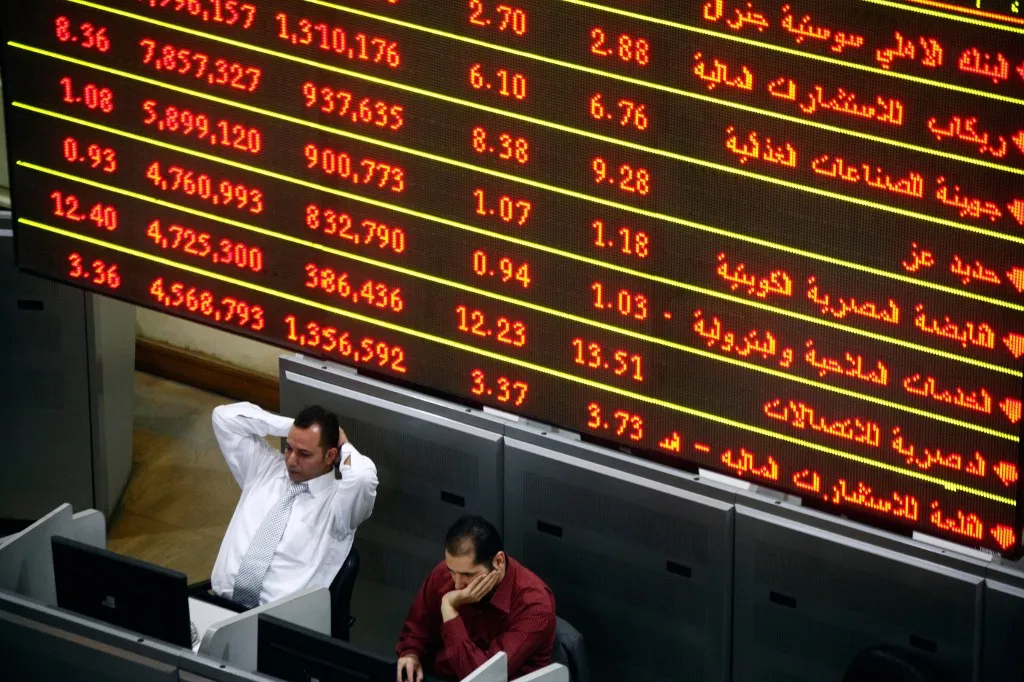
Ultimately, the unseen blueprint of stock exchange listings is not just about numbers on a balance sheet or ticker symbols on a screen. It is about the collective aspirations of companies, investors, and societies striving for a more prosperous and interconnected future. As we look ahead, the blueprint will continue to evolve, reflecting the changing tides of finance, technology, and global economics.