Introduction & Background
The global economy stands at a pivotal moment, poised for transformation driven by rapid technological advancements, shifting consumer behaviors, and geopolitical realignments. These forces are not merely trends but fundamental shifts that will redefine industries, labor markets, and international trade. Understanding these changes is essential for businesses, policymakers, and individuals seeking to adapt and thrive in the coming decade. The acceleration of digitalization, the rise of sustainability as a core economic pillar, and the reconfiguration of global supply chains are just a few of the forces reshaping the economic landscape. Without recognizing these shifts, organizations risk falling behind in an increasingly competitive and interconnected world.
Concept & Overview
The concept of the “next big shift” in the global economy refers to the sweeping changes currently underway that will alter how economies function, how value is created, and how resources are allocated. This transformation is characterized by three overarching themes: digital disruption, sustainability imperatives, and geopolitical fragmentation. Digital disruption involves the integration of artificial intelligence, blockchain, and the Internet of Things into every sector, fundamentally changing production, distribution, and consumption. Sustainability imperatives highlight the urgent need for economies to transition toward low-carbon models, circular economies, and responsible resource management. Meanwhile, geopolitical fragmentation reflects the growing tensions between major powers, trade wars, and the reshoring of critical industries to enhance national security.
At its core, this shift is not just about technology or policy but about a fundamental rethinking of how economies operate in response to new challenges and opportunities. The traditional models of growth, based on fossil fuels and globalized supply chains, are being challenged by climate change, technological automation, and shifting consumer preferences. As these forces converge, they create a dynamic environment where adaptability and foresight become the most valuable assets.
Key Features & Highlights
- Digital Transformation and AI Integration: Artificial intelligence is no longer a futuristic concept but a present-day reality that is optimizing supply chains, personalizing customer experiences, and enabling predictive analytics. Businesses leveraging AI are gaining a competitive edge by automating routine tasks, enhancing decision-making, and unlocking new revenue streams. The integration of AI across sectors such as healthcare, finance, and manufacturing is driving efficiency gains and fostering innovation at an unprecedented scale.
- Sustainable Development as an Economic Driver: The push for sustainability is transitioning from a moral obligation to an economic necessity. Renewable energy sources like solar and wind are becoming cost-competitive with traditional energy, while electric vehicles and green infrastructure are gaining momentum. Governments and corporations are investing heavily in sustainability initiatives, not only to comply with regulations but to attract investment and meet consumer demand for eco-friendly products. The circular economy, which prioritizes reuse and recycling, is emerging as a model for future economic growth.
- Reshoring and Nearshoring Trends: The disruptions caused by the COVID-19 pandemic exposed the vulnerabilities of globalized supply chains. As a result, companies are increasingly reshoring or nearshoring production to reduce dependency on distant suppliers and mitigate risks associated with geopolitical instability. This shift is particularly evident in industries such as semiconductors, pharmaceuticals, and advanced manufacturing, where supply chain resilience is critical. While this may reduce costs in the short term, the long-term benefits include greater control over quality and faster response times to market demands.
- The Rise of the Gig Economy and Remote Work: The traditional 9-to-5 office model is being replaced by flexible work arrangements, fueled by digital platforms that connect freelancers with employers worldwide. The gig economy offers workers greater autonomy and access to diverse job opportunities, while businesses benefit from reduced overhead costs and access to a global talent pool. However, this shift also raises questions about job security, benefits, and labor rights, necessitating new regulatory frameworks to ensure fair and sustainable work environments.
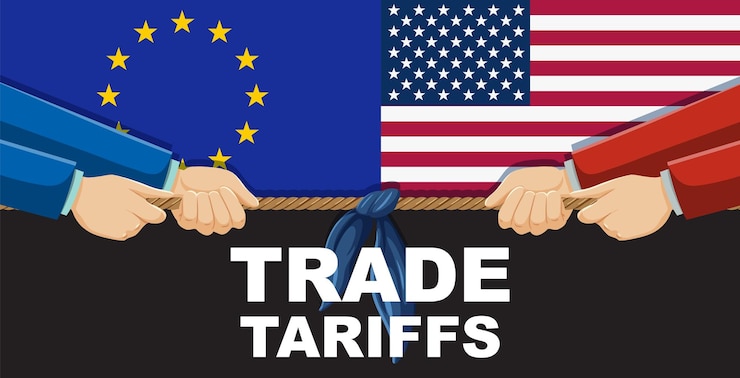
- Geopolitical Fragmentation and Economic Alliances: The global economy is becoming increasingly multipolar, with regional blocs such as the European Union, ASEAN, and the African Continental Free Trade Area (AfCFTA) gaining prominence. At the same time, tensions between major powers like the United States and China are reshaping trade flows and investment patterns. Countries are forming strategic alliances to secure critical resources, technologies, and markets, leading to a more fragmented but also more diversified economic landscape.
Frequently Asked Questions / Pros & Cons
What are the primary drivers behind the next big shift in the global economy?
The primary drivers include technological innovation, particularly in AI and automation, the urgent need for sustainable development, and geopolitical realignments. These factors are interlinked, as technological advancements enable more sustainable practices, while geopolitical tensions accelerate the reshoring of critical industries. Additionally, changing consumer behaviors, such as the demand for personalized products and ethical consumption, are pushing companies to adapt their business models.
How will the gig economy impact traditional employment structures?
The gig economy offers flexibility and accessibility but also poses challenges to traditional employment structures. On the positive side, it provides opportunities for individuals to supplement their income, pursue multiple careers, and work remotely. However, it often lacks job security, benefits such as healthcare and retirement plans, and clear career progression paths. This shift necessitates a reevaluation of labor laws and social safety nets to ensure that workers in the gig economy are protected and can thrive in an increasingly precarious labor market.
What are the benefits and drawbacks of reshoring production?
Benefits: Reshoring production reduces supply chain vulnerabilities, enhances quality control, and supports local economies by creating jobs. It also aligns with sustainability goals by lowering transportation emissions and enabling compliance with local labor and environmental regulations. For industries deemed critical to national security, such as semiconductors and pharmaceuticals, reshoring ensures a stable supply of essential goods.
Drawbacks: Reshoring can lead to higher production costs due to higher labor and operational expenses in developed countries. It may also reduce the competitiveness of industries that rely on low-cost manufacturing in emerging markets. Additionally, reshoring can strain diplomatic relations if it is perceived as protectionist, potentially leading to retaliatory trade measures.
Is sustainability truly a viable economic model, or is it just a trend?
Sustainability is not merely a trend but a long-term necessity for economic survival. The transition to sustainable practices is already underway, with renewable energy becoming more affordable and efficient than fossil fuels in many regions. Businesses that embrace sustainability are not only contributing to environmental goals but are also positioning themselves for future growth. Consumers are increasingly prioritizing eco-friendly products, and investors are favoring companies with strong environmental, social, and governance (ESG) credentials. However, the pace of this transition varies by region and industry, with some sectors lagging due to high upfront costs or technological barriers.
How can small businesses adapt to these emerging economic trends?
Small businesses can adapt by investing in digital tools to enhance their operations and customer engagement. Embracing e-commerce platforms, cloud computing, and data analytics can help them compete with larger players. Additionally, adopting sustainable practices can attract environmentally conscious consumers and improve operational efficiency. Forming strategic partnerships with local suppliers or joining industry alliances can also provide small businesses with the resources and knowledge needed to navigate economic shifts. Governments and industry associations can support this transition by offering grants, training programs, and regulatory guidance tailored to small enterprises.
Practical Guidance & Solutions
Adapting to the next big shift in the global economy requires a proactive and strategic approach. Businesses should start by conducting a thorough assessment of their current operations to identify areas vulnerable to disruption. This includes evaluating supply chain dependencies, digital readiness, and sustainability practices. Investing in upskilling employees to work alongside AI and automation tools is critical, as is fostering a culture of innovation and adaptability.
For individuals, the changing economic landscape presents both challenges and opportunities. Those in traditional industries should consider reskilling or upskilling to align with growing sectors such as renewable energy, digital services, and advanced manufacturing. The gig economy can offer a pathway to diversification, but it is essential to build a personal brand and network to secure consistent opportunities. Governments and educational institutions must collaborate to provide accessible training programs that equip workers with the skills needed for the future economy.
Policymakers play a crucial role in shaping the economic landscape by implementing regulations that encourage innovation while protecting workers and the environment. This includes investing in infrastructure that supports digital connectivity, sustainable energy, and resilient supply chains. Trade policies should balance the benefits of globalization with the need for economic security, ensuring that critical industries remain robust and adaptable.
Conclusion
The next big shift in the global economy is not a distant possibility but an unfolding reality that demands attention and action. From the rise of AI to the imperative of sustainability, these trends are reshaping industries, labor markets, and geopolitical alliances in ways that will define the coming decades. While the pace and scale of these changes may seem daunting, they also offer unprecedented opportunities for innovation, growth, and resilience. Businesses that embrace digital transformation, prioritize sustainability, and build agile supply chains will be well-positioned to lead in this new economic era. Similarly, individuals who adapt their skills and embrace flexibility will find new avenues for success.
Ultimately, the ability to navigate this shift will depend on collaboration across sectors, a commitment to lifelong learning, and a willingness to challenge conventional wisdom. The future of the global economy is being written today, and those who act with foresight and determination will shape it for the better. The time to prepare is now, as the choices made today will determine the economic landscape of tomorrow.