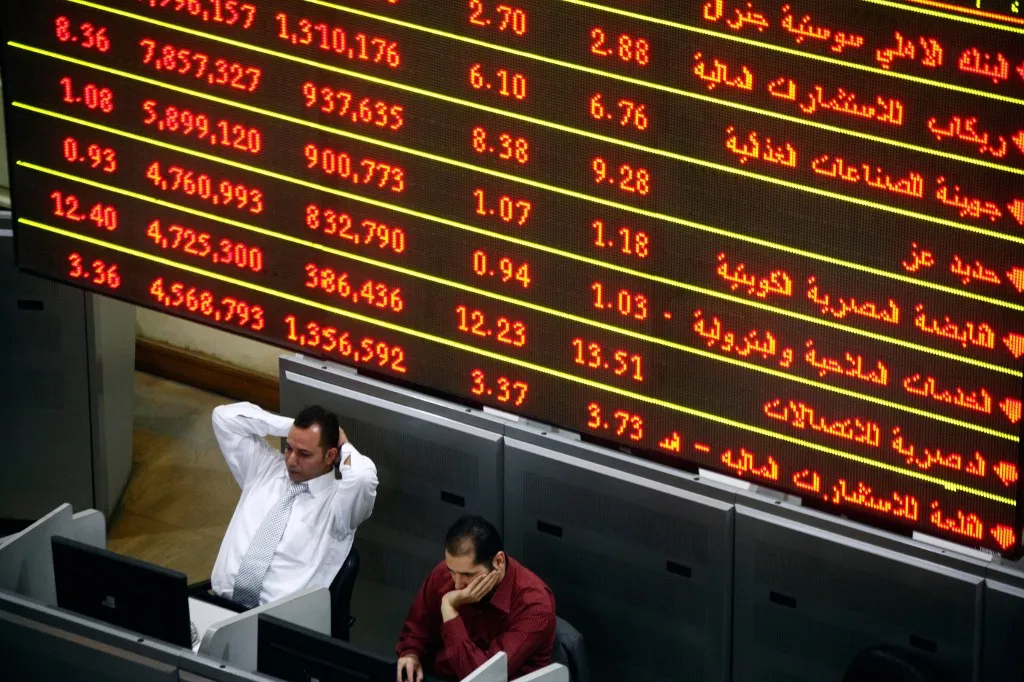
Navigating the Storm: How Smart Investors Are Turning Market Turmoil into Triumph
Market downturns often evoke feelings of anxiety and uncertainty among investors. Headlines scream of losses, and the financial media amplifies doom-and-gloom predictions. Yet, history has repeatedly shown that what appears to be a storm can actually be a hidden opportunity in disguise. Smart investors don’t just weather the turbulence—they position themselves to thrive. By adopting a disciplined mindset, leveraging strategic planning, and focusing on long-term value, these investors turn volatility into victory. This article explores how you can navigate market turmoil like a seasoned pro and emerge stronger on the other side.
The Psychology of Market Turmoil: Why Panic Is the Enemy
When markets spiral downward, emotions tend to take over. Fear of loss can drive impulsive decisions—selling at the bottom, abandoning diversified portfolios, or chasing speculative “bargains.” Yet, this emotional response is precisely what separates average investors from the savvy ones. Studies in behavioral finance confirm that emotional decision-making often leads to poor outcomes. For instance, during the 2008 financial crisis, many investors sold equities at depressed prices and missed the powerful recovery that followed. Smart investors, by contrast, recognize that turmoil creates emotional noise—and they tune it out.
To build resilience, it’s essential to understand your own risk tolerance before a storm hits. Conduct a thorough self-assessment: How would you react if your portfolio lost 20% or 30%? What is your true investment time horizon? Answering these questions helps you design a strategy that aligns with your psychological comfort zone, reducing the likelihood of panic-driven mistakes.
Diversification: The Anchor in the Storm
One of the most effective tools for navigating market volatility is diversification. A well-balanced portfolio spreads risk across asset classes, industries, and geographies, acting as a shock absorber when one sector falters. For example, during the COVID-19 crash, technology stocks soared while travel stocks plummeted. Investors with diversified holdings weren’t overly exposed to either extreme. Diversification isn’t just about owning stocks and bonds—it includes real assets like real estate, commodities, and even cash equivalents that can provide liquidity and stability during downturns.
Consider asset allocation strategies such as the 60/40 rule (60% stocks, 40% bonds), or modern approaches like the “endowment model,” which includes alternative investments. The key is to ensure your portfolio can withstand shocks without requiring forced sales at inopportune times. Regular rebalancing—bringing your portfolio back to its target allocation—also ensures you’re not overly exposed to any single area when conditions shift.
Value Investing: Buying the Market’s Discounts
Market downturns often create opportunities to purchase high-quality assets at discounted prices. This is the essence of value investing, a strategy championed by legends like Warren Buffett and Benjamin Graham. During crises, fear drives prices below intrinsic value, presenting long-term investors with a chance to buy great businesses at a fraction of their worth. For instance, after the dot-com bubble burst in 2000, many technology stocks became significantly undervalued, offering patient investors remarkable returns in the decade that followed.
To capitalize on this, focus on fundamentals: earnings, cash flow, debt levels, and competitive advantages. Look for companies with strong balance sheets and sustainable dividends. Avoid “fallen angels” that are in structural decline. Instead, target businesses with resilient business models—those that can survive a downturn and potentially thrive once conditions improve. Patience and discipline are critical; the best value plays often take time to materialize.
Tax Efficiency and Strategic Repositioning
Market turmoil can also be a strategic time to optimize your tax situation. Tax-loss harvesting, for example, allows investors to sell underperforming assets to realize losses, offsetting capital gains and reducing taxable income. This technique can be particularly valuable in volatile markets where prices fluctuate widely. However, it’s important to follow IRS rules, such as the wash sale rule, which prohibits repurchasing the same or a “substantially identical” asset within 30 days.
Another tactic is to reposition your portfolio in a tax-efficient manner. For instance, if you hold concentrated positions in individual stocks that have appreciated significantly, consider gifting shares to charities or transferring them to heirs through strategic estate planning. These moves can reduce your tax burden while supporting philanthropic goals or preserving family wealth. Always consult a tax professional to ensure compliance and maximize benefits.
Alternative Investments: Hedging Against Volatility
Traditional asset classes aren’t the only tools available to weather market storms. Alternative investments—such as private equity, hedge funds, gold, and even cryptocurrencies—can act as hedges or diversifiers in a turbulent environment. For example, gold has historically been viewed as a “safe haven” asset, often appreciating when stock markets decline. Similarly, private equity investments, though illiquid, can offer uncorrelated returns and exposure to sectors less affected by public market volatility.
However, alternatives often come with higher fees, complexity, and risk. They are best suited for accredited or sophisticated investors who understand the nuances. For most individual investors, a modest allocation—perhaps 5–10%—to alternatives like gold ETFs or real estate investment trusts (REITs) can provide additional stability without overcomplicating a portfolio.
Staying the Course: The Power of Long-Term Thinking
The most successful investors share one trait: an unwavering commitment to long-term thinking. Market downturns are temporary, but the damage from emotional decisions can be permanent. Consider that the S&P 500, despite numerous crashes, recessions, and crises, has delivered an average annual return of approximately 10% over the past century. Investors who stayed invested through the worst periods were rewarded by the market’s inevitable recovery.
To maintain discipline, set clear financial goals and align your portfolio accordingly. Whether saving for retirement, a child’s education, or a major purchase, having a defined objective helps you stay focused when short-term noise intensifies. Automate your contributions through dollar-cost averaging—regularly investing fixed amounts regardless of market conditions—to reduce the impact of volatility and build wealth steadily over time.
Learning from History: Lessons from Past Crises
History offers invaluable lessons for navigating market turmoil. Each major downturn—from the Great Depression to the 2008 financial crisis to the COVID-19 pandemic—has provided insights into resilience and recovery. For example, after the 2008 crash, the U.S. market took about five years to fully recover, but those who remained invested saw substantial gains by 2013 and beyond. Similarly, during the 1970s stagflation, investors who held a mix of stocks, bonds, and commodities fared better than those concentrated in any single asset.
By studying past crises, you can identify patterns: overreactions, policy responses, and sectors that recovered first. This knowledge can help you anticipate opportunities and avoid repeating others’ mistakes. Keep a journal of market events and your reactions—it’s a powerful tool for self-improvement and building conviction in your strategy.
Building a Personalized Resilience Plan
No two investors are the same, and neither should their resilience plans be. To turn market turmoil into triumph, start by creating a personalized resilience plan that includes:
- Risk Assessment: Define your risk tolerance and investment horizon.
- Diversified Portfolio: Allocate across asset classes to minimize concentration risk.
- Emergency Fund: Maintain liquidity to avoid selling assets in a downturn.
- Regular Reviews: Rebalance your portfolio annually or semi-annually.
- Mental Framework: Develop habits to manage emotions, such as meditation or journaling.
- Educational Commitment: Stay informed through reputable sources, not sensationalist media.
This plan acts as your compass during storms, helping you remain steady when others are panicking.
Conclusion: From Turmoil to Triumph
Market turmoil is not the end of the road—it’s a detour on the path to long-term success. Smart investors don’t fear volatility; they use it as a catalyst for growth. By mastering their emotions, diversifying wisely, seeking value, optimizing taxes, and staying disciplined, they transform challenges into opportunities. The key is preparation: building a resilient portfolio and mindset before the storm hits.
As the great investor Peter Lynch once said, “The best stock to buy is the one you already own.” This wisdom extends beyond equities—it’s a reminder that consistency, patience, and conviction are the real drivers of triumph in investing. So the next time markets tremble, take a deep breath. You’re not just navigating the storm—you’re learning to sail through it, and come out ahead.