The Art and Science of Portfolio Management: Building Wealth with Confidence
Managing your money isn’t just about saving—it’s about making your savings work smarter, harder, and more effectively over time. Portfolio management is the strategic process of selecting and overseeing a collection of investments to meet your financial goals while balancing risk and reward. It blends both art and science: the art of aligning investments with your personal values, life stage, and risk tolerance, and the science of analyzing market trends, asset classes, and economic indicators. Whether you’re a beginner investor or a seasoned trader, understanding portfolio management can help you build wealth systematically and sustainably.
Why Portfolio Management Matters More Than Ever
In today’s fast-paced financial landscape, where market volatility, inflation, and global events can shift the ground beneath your feet, having a well-managed portfolio is not optional—it’s essential. A thoughtfully constructed portfolio doesn’t just grow wealth; it preserves it, adapts to change, and prepares you for life’s uncertainties. Without management, even strong investments can underperform due to poor allocation, emotional decision-making, or lack of diversification. Portfolio management ensures discipline, clarity, and long-term focus, helping you stay on track even when emotions run high.
Core Principles of Effective Portfolio Management
At its heart, portfolio management rests on several foundational principles. These are not just theoretical ideas—they’re practical guidelines that can transform how you invest:
- Diversification: Spreading investments across different asset classes, industries, and geographies to reduce risk. A diversified portfolio isn’t immune to losses, but it cushions against severe shocks.
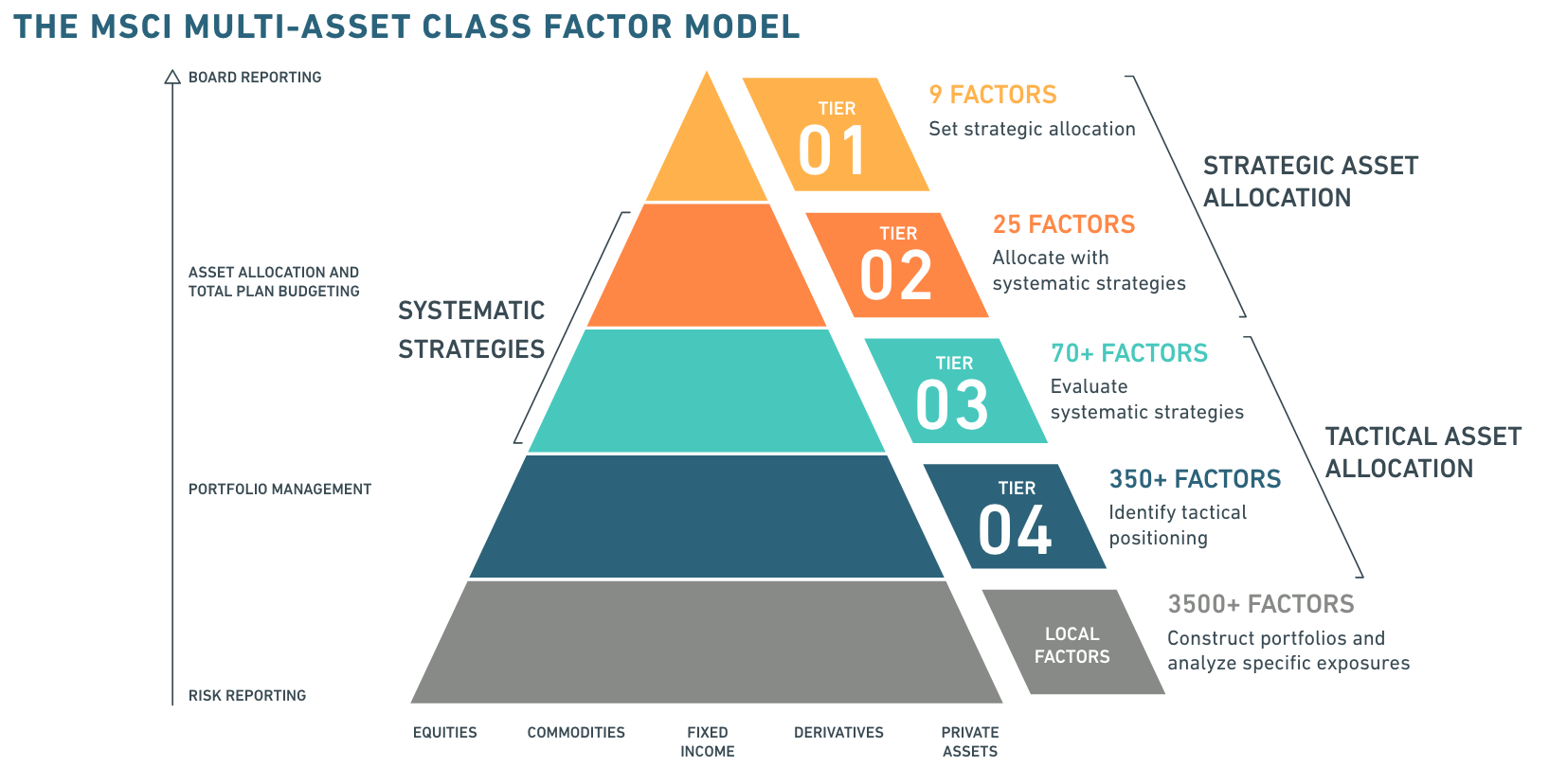
- Asset Allocation: The deliberate division of your portfolio among major asset categories like stocks, bonds, cash, real estate, and alternative investments. This decision accounts for most of your portfolio’s performance over time.
- Risk Tolerance: Understanding how much market volatility you can emotionally and financially withstand. A younger investor may tolerate more risk, while someone nearing retirement may prioritize stability.
- Time Horizon: How long you plan to invest before needing the funds. Longer time horizons allow for more aggressive growth strategies.
- Consistency and Discipline: Regularly reviewing and rebalancing your portfolio to maintain your intended risk level and investment strategy.
The Role of Goals in Portfolio Construction
Every successful portfolio begins with a clear understanding of your financial goals. Are you saving for a child’s college education in 15 years? Planning for retirement in 20? Building a nest egg for a future home? Your goals determine not only your time horizon but also your investment choices. Short-term goals often require safer, liquid assets, while long-term goals can benefit from the compounding power of equities. By aligning your portfolio with specific, measurable objectives, you create a roadmap that guides every investment decision.
Active vs. Passive Portfolio Management: Choosing Your Path
Portfolio management isn’t one-size-fits-all. Investors have two primary approaches to consider:
- Active Management: Involves frequent buying and selling of assets with the aim of outperforming the market. This strategy relies on market timing, stock picking, and expert analysis. While it can yield high returns, it also carries higher fees, greater tax implications, and the risk of human error.
- Passive Management: Focuses on long-term growth by replicating market indices, such as the S&P 500. Index funds and ETFs are popular passive tools. They offer lower costs, transparency, and historically strong returns over time. Passive investors rely on the market’s overall upward trajectory rather than trying to beat it.
Many investors blend both approaches, using passive investments as core holdings and selectively adding active strategies for potential outperformance. The right choice depends on your time, expertise, and comfort level with risk.
Rebalancing: The Key to Staying on Track
Markets move. Some investments grow faster than others, shifting your portfolio’s original allocation. Rebalancing is the process of periodically adjusting your holdings back to their target percentages. For example, if stocks surge and now represent 75% of your portfolio instead of your intended 60%, you might sell some stocks and buy more bonds to restore balance. This disciplined approach prevents your portfolio from becoming overexposed to risk and helps lock in gains. While the frequency varies—annually, quarterly, or even monthly—consistency is more important than timing.
Risk Management: Protecting Your Portfolio from Storms
Risk management is the unsung hero of portfolio management. It’s not about avoiding risk entirely—it’s about understanding it, measuring it, and mitigating it where possible. Key strategies include:
- Diversification: Again, spreading risk across uncorrelated assets (e.g., stocks and bonds often move in opposite directions during downturns).
- Hedging: Using instruments like options or inverse ETFs to protect against significant losses.
- Asset-Liability Matching: Aligning your portfolio’s cash flows with expected future liabilities, such as retirement withdrawals.
- Stress Testing: Simulating how your portfolio would perform under extreme market conditions to identify vulnerabilities.
Risk management isn’t about fear—it’s about preparation. A well-protected portfolio can weather storms and emerge stronger.
Tax Efficiency: Keeping More of What You Earn
Taxes can erode investment returns faster than market downturns. Tax-efficient portfolio management involves structuring your investments to minimize tax liability without compromising growth. Strategies include:
- Holding tax-efficient assets (like ETFs) in taxable accounts and placing higher-tax investments (like bonds) in tax-advantaged accounts (like IRAs or 401(k)s).
- Using tax-loss harvesting to offset gains with losses.
- Delaying capital gains by holding investments long-term (qualifying for lower tax rates).
- Maximizing contributions to retirement accounts to reduce taxable income.
Tax laws change frequently, so consulting a tax advisor or financial planner can help you navigate these complexities.
Technology and Tools: The Modern Portfolio Manager’s Toolkit
Gone are the days when portfolio management required stacks of paper and hours of manual calculations. Today’s investors have access to powerful digital tools that democratize sophisticated strategies:
- Robo-Advisors: Automated platforms that build and manage portfolios based on your risk profile and goals (e.g., Betterment, Wealthfront).
- Investment Apps: Platforms like Fidelity, Vanguard, and Robinhood offer low-cost trading, research, and portfolio tracking.
- Portfolio Analytics Tools: Software like Morningstar, Personal Capital, and YCharts provide performance metrics, risk analysis, and benchmark comparisons.
- Financial Planning Software: Tools like Quicken or eMoney help integrate investments with broader financial goals, cash flow, and estate planning.
Technology doesn’t replace judgment—but it can enhance precision, reduce costs, and provide real-time insights.
Common Mistakes to Avoid in Portfolio Management
Even experienced investors can fall into traps that undermine their success. Recognizing—and avoiding—these pitfalls can save both money and stress:
- Chasing Performance: Buying high after a stock or fund has surged, only to see it drop. Past performance doesn’t guarantee future results.
- Overconcentration: Putting too much of your portfolio into one stock, sector, or asset class (e.g., holding too much company stock from your employer).
- Ignoring Fees: High management fees, expense ratios, and transaction costs can silently erode returns over decades.
- Emotional Investing: Making decisions based on fear or excitement rather than logic and data.
- Neglecting Rebalancing: Letting your portfolio drift without periodic adjustments increases risk exposure.
The Human Element: Psychology and Portfolio Management
While data and spreadsheets are vital, the most successful portfolio managers understand the role of human psychology. Behavioral finance reveals how cognitive biases like overconfidence, loss aversion, and herd mentality can derail even the best-laid plans. Being aware of these tendencies—such as selling in a panic during a downturn—can help you stay disciplined. Mindful investing means recognizing when emotions are influencing decisions and refocusing on your long-term strategy.
When to Seek Professional Help
Portfolio management can be complex, especially as your wealth grows or your life circumstances change. Financial advisors—whether fee-only, fiduciary, or certified—can provide personalized guidance tailored to your unique situation. They help with goal setting, risk assessment, tax strategy, and estate planning. While DIY investing is empowering, professional support can be invaluable during major life transitions, such as marriage, inheritance, or retirement.
Building a Legacy: Portfolio Management Beyond Returns
True portfolio management isn’t just about accumulating wealth—it’s about preserving it for future generations. This involves integrating estate planning, trusts, insurance, and charitable giving into your strategy. A well-managed portfolio can support your family’s dreams, fund education, or leave a lasting impact through philanthropy. It’s a holistic approach that views money as a tool for living—and leaving—a meaningful life.
Final Thoughts: Your Portfolio, Your Future
Mastering portfolio management is a lifelong journey, not a destination. It requires education, patience, and adaptability. Start by defining your goals, assessing your risk tolerance, and building a diversified foundation. Stay disciplined through rebalancing and regular reviews. Embrace technology to streamline your efforts, and don’t hesitate to seek expert advice when needed. Most importantly, remember that your portfolio is a reflection of your life’s priorities—protect it, nurture it, and let it grow with you.
In the end, portfolio management is less about predicting the market and more about preparing for anything. With the right strategy, mindset, and tools, you can turn the art and science of investing into a powerful force for building lasting wealth and security.