Robust Portfolio Design Methods In the intricate tapestry of finance, where market dynamics sway like a delicate dance, the concept of robust portfolio design methods emerges as a beacon for investors navigating the unpredictable seas of investment. In this exploration, we’ll delve into the realms of resilient investment portfolios, stress-tested asset mix strategies, portfolio fortification techniques, and adaptive investment design models.
Resilience Unveiled: The Essence of a Resilient Investment Portfolio

Crafting Financial Fortitude
In a world where financial landscapes can morph with the swiftness of a gust of wind, the idea of a resilient investment portfolio stands as a testament to the art and science of financial fortitude. Picture your portfolio not merely as an assortment of assets but as a resilient entity, adaptable and robust against the whims of market turbulence.
Building Blocks of Resilience
- Dynamic Asset Allocation as the Foundation: Think of dynamic asset allocation as the bedrock of a resilient portfolio. It involves strategically adjusting your asset mix based on market conditions, ensuring that your portfolio can weather storms and capitalize on fair weather.
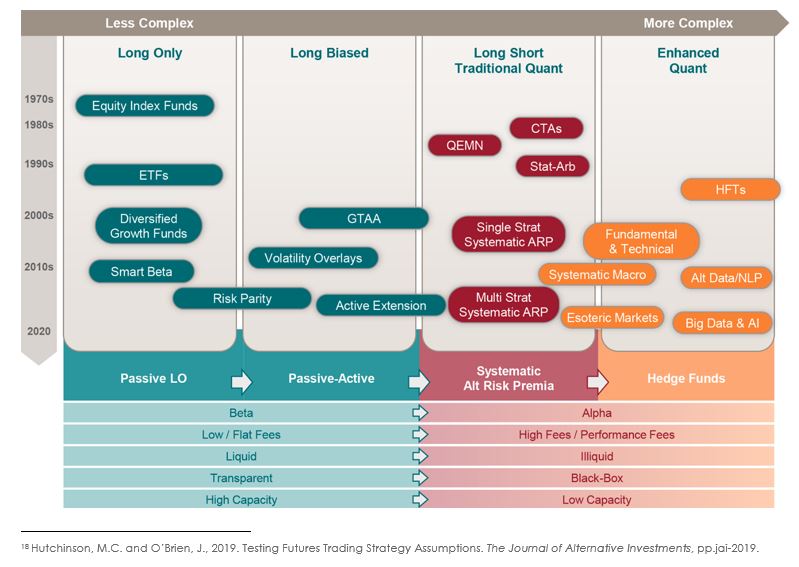
- Risk-Parity Strategies: The traditional approach to risk may not suffice in the face of today’s complex markets. Risk-parity strategies, a cornerstone of resilient portfolios, involve distributing risk across various assets to achieve a balanced and robust risk-return profile.
Stress-Tested Asset Mix Strategies: Navigating the Turbulent Waters

Harnessing the Power of Stress Testing
Preparing for Financial Turbulence
- Scenario-Based Stress Testing: Imagine stress testing as a simulator for your portfolio. Scenario-based stress testing involves subjecting your portfolio to various hypothetical scenarios to gauge its resilience under different market conditions, helping you prepare for financial turbulence.
- VaR (Value at Risk) Models: In the world of stress-tested asset mix strategies, VaR models take center stage. These models quantify the potential loss in your portfolio under adverse conditions, providing a quantitative measure of risk and aiding in strategic decision-making.
The Adaptive Nature of Investment Design Models
Navigating Market Dynamics with Agility
- Adaptive Investment Design Models: Traditional investment models may not suffice in today’s rapidly changing markets. Adaptive models are designed to evolve, adjusting strategies based on real-time data and market shifts, ensuring that your investment design remains relevant and effective.
- Machine Learning in Portfolio Management: The advent of machine learning has transformed investment design. Machine learning algorithms analyze vast datasets, identifying patterns and optimizing portfolio strategies with a level of sophistication that traditional models cannot match.
Portfolio Fortification Techniques: Building a Financial Citadel

Strengthening the Walls of Your Portfolio
Innovative Defense Mechanisms
- Tail Risk Hedging: As we explore portfolio fortification techniques, consider tail risk hedging as a shield against extreme events. This technique involves strategies that aim to protect your portfolio from severe market downturns, providing a robust defense mechanism.
- Diversification Across Risk Factors: Diversification is not a one-size-fits-all concept. Portfolio fortification involves diversifying not just across asset classes but also across risk factors, ensuring that your portfolio is resilient to a spectrum of potential risks.
The Interplay of Resilience and Innovation
Futuristic Approaches to Portfolio Design
- Cryptocurrency Integration: The financial landscape is evolving, and so is the definition of a resilient portfolio. Some forward-thinking investors are integrating cryptocurrencies into their portfolios, viewing them as both a hedge and an innovative asset class.
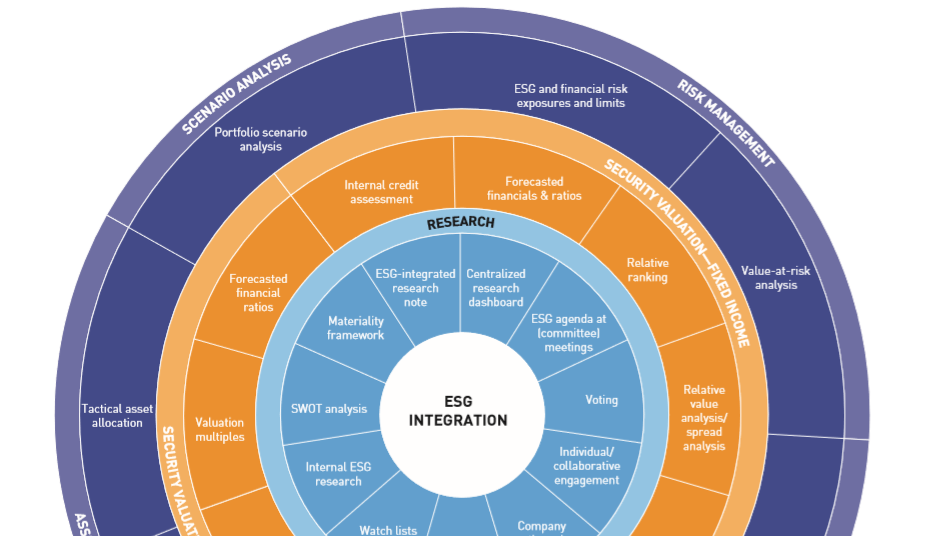
- Environmental, Social, and Governance (ESG) Integration: Resilient portfolios are not just about financial returns; they are increasingly aligning with ethical and sustainable principles. ESG integration involves considering environmental, social, and governance factors in investment decisions, adding an ethical dimension to portfolio design.
In the Crucible of Local and Global Dynamics

Tailoring Resilience to Varied Markets
Navigating Local Challenges
- Localized Risk Assessment: A resilient portfolio must be attuned to local challenges. This involves conducting a thorough assessment of localized risks, including regulatory dynamics, geopolitical factors, and economic conditions unique to specific regions.
- Cultural Nuances in Portfolio Design: Cultural considerations extend beyond aesthetics; they influence financial behaviors. Resilient portfolios acknowledge and incorporate cultural nuances into their design, ensuring strategies align with the preferences and attitudes of local investors.
The Global Mosaic: Strategies for a Borderless World
Strategies for Global Resilience
- Currency Risk Management in Global Portfolios: As portfolios extend beyond borders, managing currency risk becomes paramount. Robust portfolios incorporate currency risk management strategies to mitigate the impact of currency fluctuations on global investments.
- Global Economic Forecasting Models: Resilience in global portfolios involves a keen understanding of economic trends across different regions. Global economic forecasting models provide insights into diverse economic landscapes, allowing investors to navigate global dynamics with agility.
Future-Forward Portfolios: Innovations on the Horizon
Pioneering the Next Frontier
Shaping the Future of Portfolio Design
- Quantum Computing Applications in Finance: The advent of quantum computing holds transformative potential for portfolio design. Quantum computers can process complex calculations at unparalleled speeds, opening new frontiers in optimization and risk management.
- Decentralized Finance (DeFi) Integration: The rise of decentralized finance introduces a paradigm shift. Integrating DeFi into portfolios allows for innovative strategies, leveraging blockchain technology for increased transparency and efficiency.
Sustainability as an Intrinsic Component
Integrating Ethics into Resilient Portfolios
- Sustainable Investing as a Resilience Pillar: Resilience is not only about weathering storms; it’s about building a future. Sustainable investing, an integral aspect of resilient portfolios, involves incorporating environmental, social, and governance considerations into investment decisions.
- Green Bonds and Impact Investing: Resilient portfolios contribute to a sustainable future. Green bonds and impact investing provide avenues for investors to support environmentally friendly and socially responsible projects while maintaining financial resilience.
Eventuality:Robust Portfolio Design Methods
As we conclude our exploration into the realm of robust portfolio design methods, it becomes evident that resilience is not a static concept. Like a living organism, resilient portfolios evolve, adapt, and integrate innovative strategies to navigate the ever-changing landscape of finance.
In a world where financial challenges are as diverse as the investors facing them, robust portfolio design methods provide a compass for crafting a financial future. Mastering the art of portfolio resilience requires a harmonious integration of local insights, global perspectives, and the innovative spirit to adapt to evolving market dynamics.
Let us embrace the future with a steadfast commitment to understanding and harnessing the power of robust portfolio design methods. For in this dynamic landscape, the art of portfolio resilience continues to unfold, promising a symphony of success for those attuned to its nuances.