Introduction & Background
Building and preserving wealth is a goal shared by many, yet achieving it requires more than just saving money. The economic landscape is constantly shifting due to factors like inflation, market volatility, and changing tax laws. To secure a stable financial future, individuals must adopt a proactive approach to asset planning. This guide explores how strategic asset planning can act as a safeguard against uncertainty, ensuring that wealth not only grows but also withstands the test of time. Whether you are a young professional, a business owner, or nearing retirement, understanding the principles of asset allocation and diversification is essential for long-term success.
Concept & Overview
Asset planning is the process of strategically managing and organizing your financial resources to maximize growth while minimizing risks. At its core, it involves identifying your financial goals, assessing your risk tolerance, and distributing your assets across various investment vehicles. The primary objective is to create a balanced portfolio that can adapt to economic changes and protect against potential losses. Unlike short-term financial strategies, asset planning is a long-term commitment that requires regular review and adjustments to stay aligned with your objectives. By diversifying your investments across stocks, bonds, real estate, and alternative assets, you reduce the impact of market downturns on your overall wealth.
Another key aspect of asset planning is liquidity management. Ensuring that a portion of your assets remains easily accessible allows you to handle unexpected expenses without disrupting your long-term investments. Additionally, estate planning plays a critical role, as it ensures that your wealth is distributed according to your wishes upon your passing. Tax efficiency is also a vital component, as minimizing tax liabilities can significantly enhance your net returns. By integrating these elements, asset planning transforms from a simple savings strategy into a comprehensive wealth management system.
Key Features & Highlights
- Diversification: Spreading investments across different asset classes reduces risk and enhances potential returns over time. A well-diversified portfolio might include equities, fixed-income securities, commodities, and real estate.
- Risk Assessment: Evaluating your comfort level with market fluctuations helps tailor your investment strategy to avoid unnecessary stress or losses.
- Liquidity Planning: Maintaining a reserve of cash or liquid assets ensures you can cover emergencies without liquidating long-term investments prematurely.
- Tax Optimization: Utilizing tax-advantaged accounts and strategies, such as retirement plans or charitable giving, can lower your tax burden and increase after-tax returns.
- Estate Planning: Creating a will, trust, or other legal documents ensures your assets are passed on efficiently and according to your wishes, reducing family disputes and legal complications.
- Regular Review: Markets and personal circumstances change over time, so periodically reassessing your asset allocation and financial goals is crucial to staying on track.
Frequently Asked Questions / Pros & Cons
What is the difference between asset planning and traditional investing?
Asset planning goes beyond investing by focusing on the entire financial ecosystem. While traditional investing typically emphasizes buying and holding assets like stocks or bonds, asset planning incorporates tax strategies, estate considerations, liquidity needs, and risk management. It is a holistic approach that ensures all financial decisions work together to support your long-term objectives.
Is asset planning only for the wealthy?
No, asset planning is beneficial for individuals at all income levels. Even modest savers can benefit from organizing their finances, reducing debt, and leveraging tax-efficient tools. The key is to start early and scale strategies as your wealth grows.
How often should I review my asset plan?
It is recommended to review your asset plan at least annually, or whenever significant life events occur. This includes marriage, the birth of a child, career changes, inheritance, or retirement. Regular reviews help you adjust your strategy to reflect new goals or economic conditions.
What are the main risks of not having an asset plan?
The primary risks include unnecessary tax burdens, vulnerability to market downturns, inadequate liquidity, and complications in wealth transfer. Without a plan, your assets may not grow optimally, and your family could face legal or financial challenges in managing your estate.
Can asset planning help during economic downturns?
Yes, a well-structured asset plan is designed to withstand market volatility. By diversifying investments and maintaining a balanced portfolio, you can mitigate losses during downturns and position yourself to capitalize on recovery opportunities.
Practical Guidance & Solutions
Start with a Financial Inventory
Begin by listing all your assets and liabilities, including bank accounts, investments, real estate, retirement plans, and outstanding debts. This snapshot provides clarity on your net worth and helps identify gaps in your planning.
Set Clear Financial Goals
Define short-term, medium-term, and long-term goals, such as saving for a home, funding education, or retiring comfortably. Clear goals guide your investment choices and help prioritize where to allocate resources.
For example, if retiring in 20 years is a goal, focus on growth-oriented assets like stocks or mutual funds. If you need funds within five years, consider bonds or high-yield savings accounts to preserve capital.
Diversify Your Assets
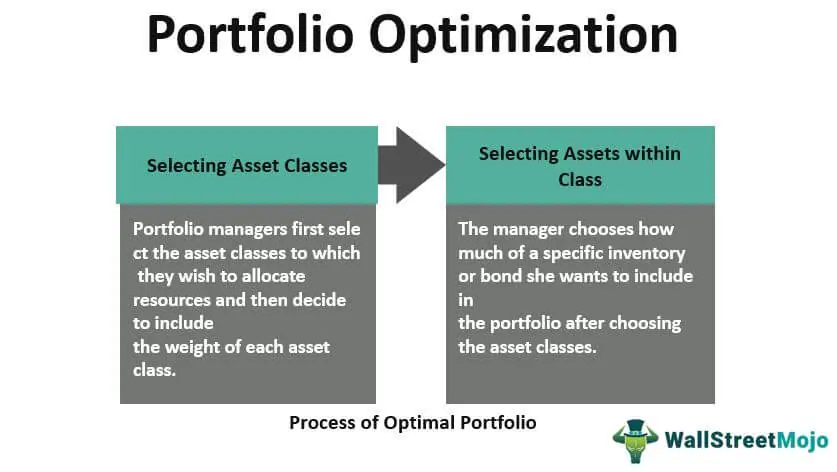
Allocate your investments across different sectors and asset classes to reduce risk. A common rule is the 60-40 portfolio, where 60 percent is invested in equities and 40 percent in fixed-income securities. Adjust this ratio based on your age and risk tolerance.
Consider including real estate or alternative investments like gold or cryptocurrency for added diversification. Just ensure any new asset class aligns with your overall strategy and risk profile.
Maximize Tax-Advantaged Accounts
Contribute to retirement accounts such as 401(k)s or IRAs, which offer tax-deferred growth or tax-free withdrawals in retirement. Health Savings Accounts (HSAs) and 529 college savings plans also provide tax benefits and should be part of your planning.
If you are in a high tax bracket, explore tax-loss harvesting to offset gains with losses, thereby reducing your taxable income.
Establish an Emergency Fund
Aim to save three to six months’ worth of living expenses in a liquid, easily accessible account. This fund acts as a financial buffer during job loss, medical emergencies, or unexpected home repairs, preventing you from dipping into long-term investments.
Create a Will and Trust
Drafting a will ensures your assets are distributed according to your wishes and can prevent family disputes. A trust, particularly a revocable living trust, allows you to specify how assets are managed during your lifetime and after your death, potentially avoiding probate.
Consult an estate planning attorney to tailor documents to your state’s laws and family dynamics.
Monitor and Adjust Regularly
Use financial software or consult a financial advisor to track your portfolio’s performance. Rebalance your investments annually to maintain your target asset allocation. Life changes such as a new job, marriage, or health issues may also necessitate adjustments to your plan.
Conclusion
Asset planning is not a one-time task but an ongoing journey that evolves with your life and the economy. By taking control of your financial future today, you lay the foundation for a secure and prosperous tomorrow. Start small, stay consistent, and remain adaptable. Whether you choose to manage your assets independently or seek professional guidance, the key is to act now. The future may be uncertain, but with a solid asset plan in place, your wealth can not only survive but thrive through any challenge. Begin your asset planning journey today and build a legacy that lasts for generations.